
- Shell House
- Wine St. Sligo
- Ireland
- Tel: + 353 71-9159222
- Fax: + 353 71-9145134


Strandhill Home Offering Bright & Spacious Living
DNG Flanagan Ford have just launched to the market a wonderful property in Ocean Links. Ocean Links is a well known & sought after residential development close to the heart of Strandhill Village. The agent handling the sale of this property is Tess Monaghan.
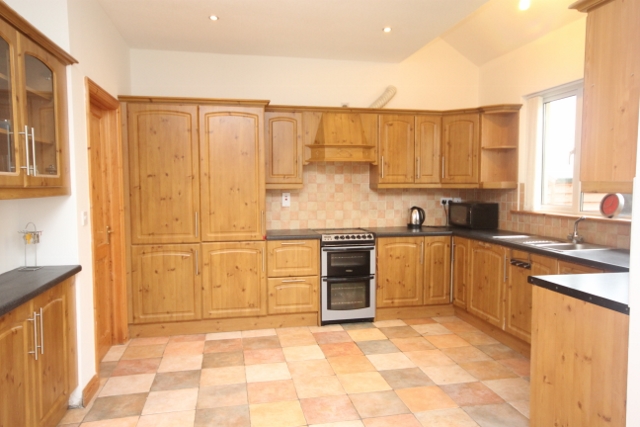
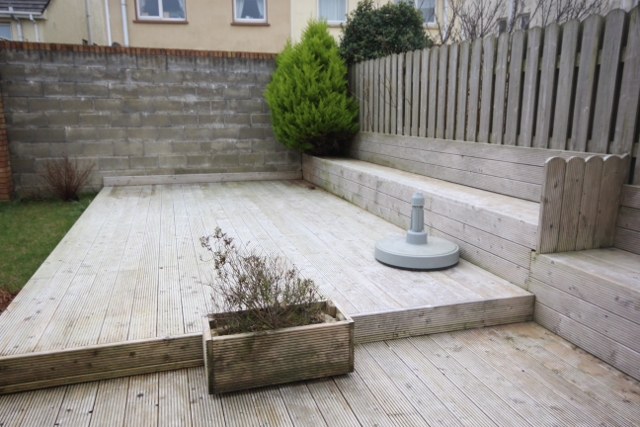
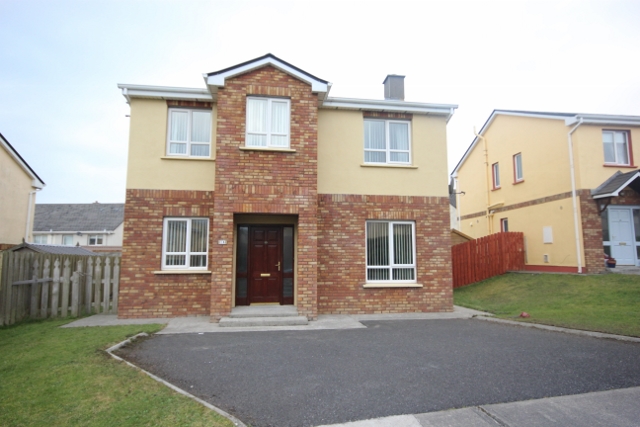
Tess commented ‘We are delighted to have been favoured with the vendors instructions to bring to the market this excellent detached property. 14 The Drive is a spacious 4 bedroom home which is set on a good size plot. The property offers excellent space with living room, kitchen/dining area, utility room and downstairs playroom/bedroom at ground floor; and at first floor there are 4 good size bedrooms, main bedroom en suite & family bathroom. We expect strong demand for this property due to its size & also its great location. Strandhill is extremely popular amongst buyers in the current market, & with very little supply in the area we are sure that this property will attract much attention.’
Interested parties should contact Tess in DNG Flanagan Ford to arrange viewings or for further information. Tess can be contact in the office on 071 9159222 or on her mobile at 086 3999062.

superb property in Dromahair, Co. Leitrim

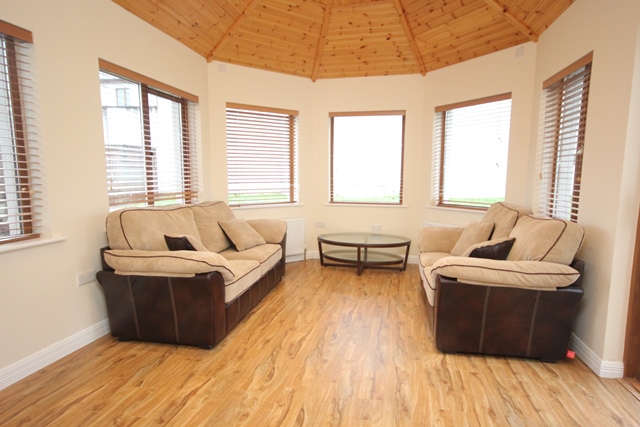
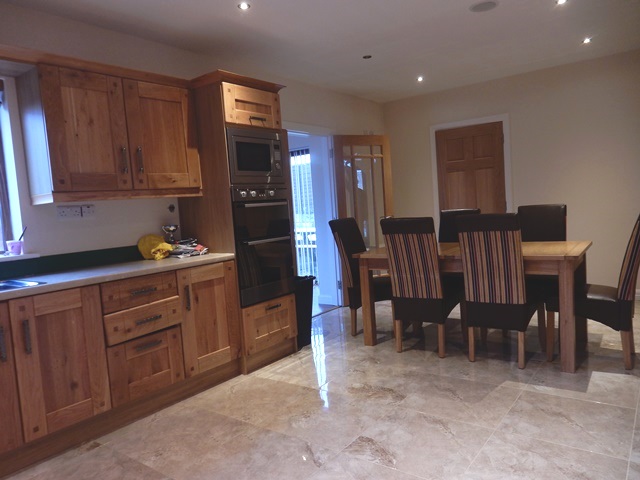
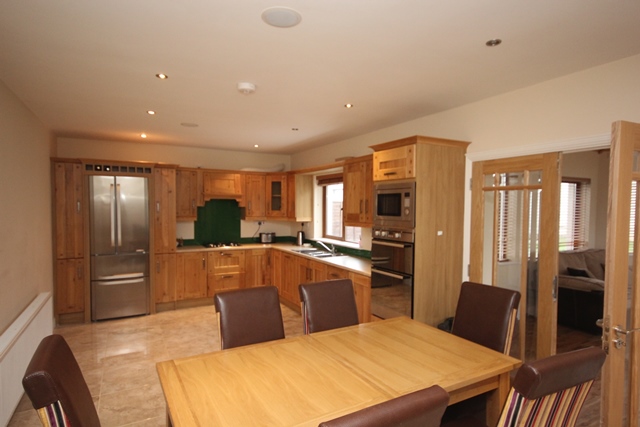 DNG Flanagan Ford have brought to the market a superb property in Dromahair, Co Leitrim. 24 Forest Grove is a spacious, detached 5 bedroom home which comes to the market with an impressive B2 BER rating.
Shane Flanagan who is handling this sale commented ’24 Forest Grove is a fine family home which is set out over three levels. The accommodation throughout is very generous & the property has been tastefully decorated. There really is no work required to be carried out by a new owner & interested parties who view the property are sure to be impressed. Accommodation at ground floor includes living room with fitted stove & recessed lighting; kitchen/dining area with fitted kitchen, integrated appliances & recessed lighting; conservatory; utility room; guest WC; & downstairs bedroom / games room. At first floor there are three bedrooms, two of which are en suite & have fitted wardrobes, along with the main family bathroom. The fourth & fifth bedrooms are on the second floor – both are currently used as extra storage space but are ideal for use as extra living space or bedroom space. Externally the property is well maintained with a paved driveway & lawn to the front and garden to the rear.’
Shane continued ‘We have had good interest in this property since it went on the market for sale & I would urge any interested parties to contact us at their earliest opportunity to arrange a viewing & avoid missing out on this excellent property.’
The property is on the market with a guide price of €200,000. Interested parties should contact Shane on 087 2461062, or the DNG Flanagan Ford’s office on 071 9159222.
3 Claragh Glen, Tonaphubble, Sligo
Tonaphubble, Sligo on the market for sale. 3 Claragh Glen is an owner occupied property & comes to the market in showhouse condition throughout.
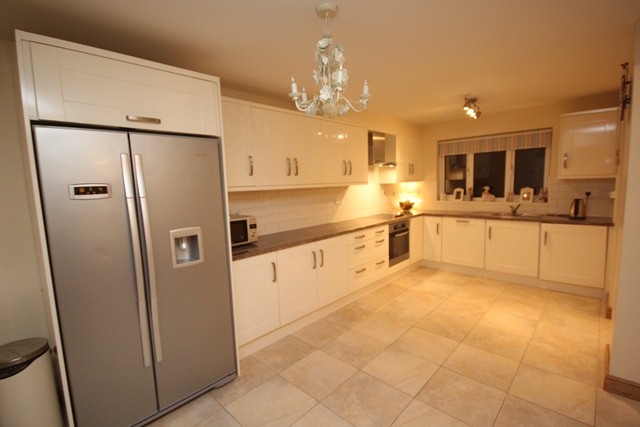
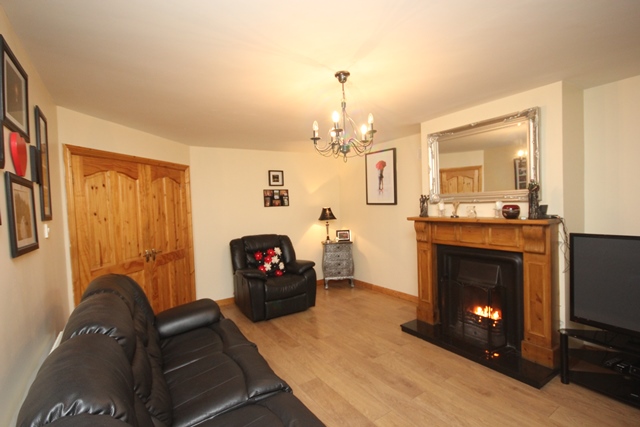
Marie McDonald who is handling the sale of the property commented ‘3 Claragh Glen has recently been placed on the market for sale. The house, which is owner occupied, is finished to a very high standard throughout. The property offers spacious living & bedroom accommodation & would make an ideal family home, and indeed is perfect as an investment property given its close proximity to all of the amenities of Sligo town centre. At ground floor there is a generous hallway with guest WC off & good storage space under the stairs. The living room opens through double doors from the hallway & has wooden flooring & an open fire. The kitchen/dining area also opens through double doors from the hallway & is beautifully finished. The cream fitted kitchen has ample storage cupboards & work top space, & this open plan room is very well designed with a dining area to the side. At first floor there are four good size bedrooms. All of the bedrooms have built in wardrobes, with sliding wardrobes in the master bedroom. The master bedroom also has an en suite.’
Tonaphubble is a highly convenient location close to Sligo town centre. Amenities close to hand include National & Secondary Schools, Sligo Sports Complex, supermarkets, church, running track, scenic walks, Sligo Race Course, etc, etc.
This property is on the market with a guide price of €180,000 & there is already a strong demand from potential purchasers. Interested parties should contact DNG Flanagan Ford on 071 9159222 or Marie directly on 087 2721367 for further information & viewings.

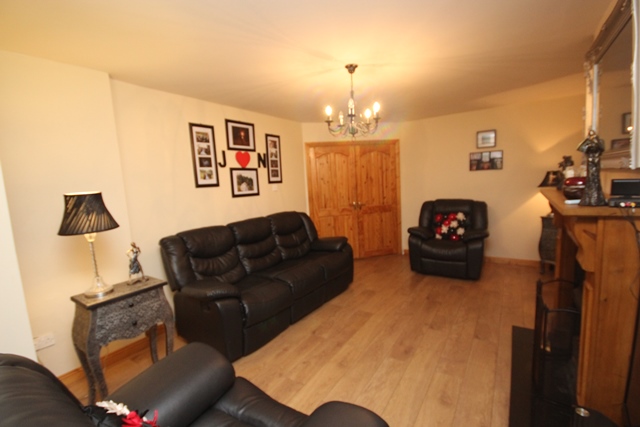
Dream Home
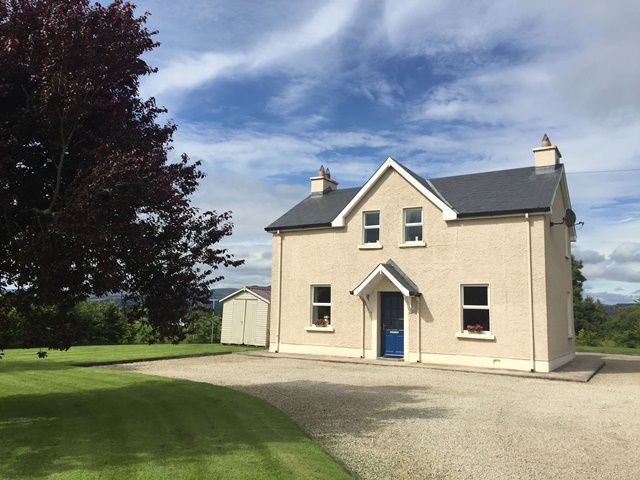
DNG Flanagan Ford have launched to the market an exceptional family home located close to Ballintogher Village. The property which is owner occupied is presented impeccably throughout.
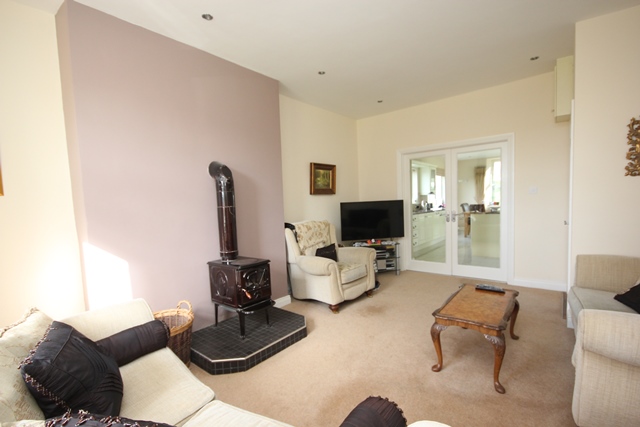
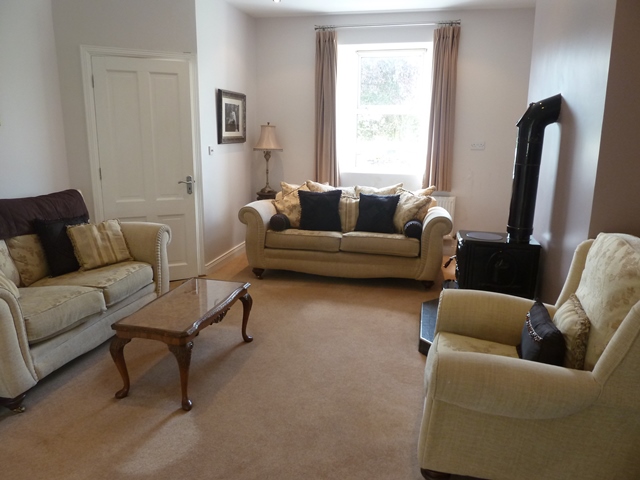
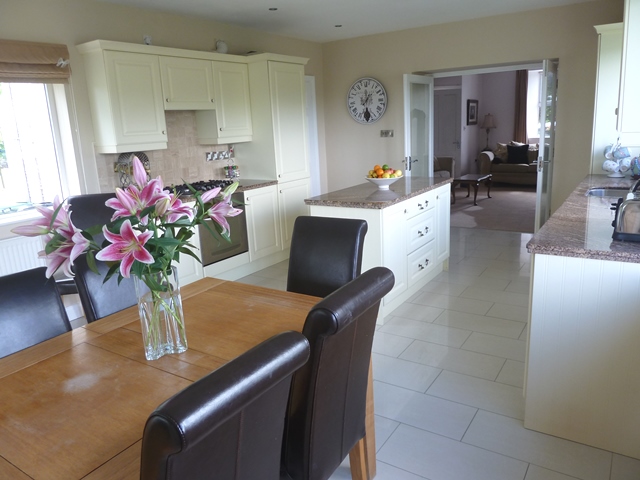
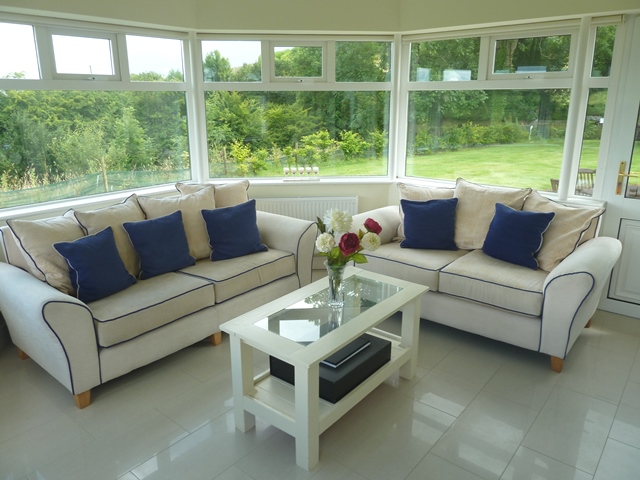
Selling agent Marie McDonald commented ‘We are delighted to recently have been favoured with instructions to market this beautiful home at Gortlownan, Ballintogher, Co Sligo. The vendors have spared no expense with the décor & finish both inside & out for this home. The brightness of the property is a particular draw for interested parties, & due to its elevated position there are truly wonderful views across the rolling countryside. The accommodation at ground floor includes a living room with solid fuel stove. This room opens through double doors to the kitchen / dining area. The kitchen is very well appointed with ample storage cupboards, granite worktops, island unit & pull out pantry. There is generous utility room off the kitchen area. Off the dining area through double doors is a good size conservatory which enjoys stunning views. Also at ground floor there is a second formal sitting room with an open fireplace. At first floor there are three bedrooms & the main family bathroom. The bathroom is fully tiled with WC, WHB, Jacuzzi bath & electric shower over. The master bedroom has a generous wardrobe & en suite which is fully tiled & tastefully finished. Overall, this is a property which is ready to walk in to with no works required by a new owner. The tasteful décor throughout will make it very easy for a new owner to put their own stamp on the property.’
Marie continued ‘The property is surrounded by a generous & mature garden with lush lawns, trees & hedges. We would urge interested parties to contact us as soon as possible to arrange viewings as we expect strong demand for this property.’ Gortlownan, Ballintogher is on the market with a guide price of €198,000. Marie can be contacted on 071 9159222 or 087 2721367 for further details & viewings.

New Year, New Schedule of Property Auctions


DNG Flanagan Ford have released details of their first property auction for 2017. Following on from the impressive results they achieved throughout their 2016 schedule of auctions, they are hoping for similar results this year.
The first auction of the year is scheduled to take place on Friday 17th February at 3pm in the Glasshouse Hotel, Swan Point in Sligo. There are two properties currently listed for inclusion in this auction, however further properties may be added in the weeks leading up to the auction date.
One of the properties confirmed for the auction is the well known public house, The Ship Inn, located on Lower Quay Street in Sligo Town. This property, which comes to the market in good condition throughout, has already attracted a high level of interest with a number of viewings having already taken place. The agent handling this sale is Tess Monaghan. Tess commented ‘We are delighted to be bringing The Ship Inn to the market for sale by auction in February. It is a well known bar which enjoyed a good trade prior to closing a number of months ago. The property is presented in good order & the sale includes a 7 day bar licence.’ The reserve for this property is €160,000. This property is available for viewing by appointment & interested parties should contact Tess to register their details. Tess can be contacted at 086 3999062, or in the office on 071 9159222.
The second property confirmed for inclusion in the auction is a residential property on the Strandhill Road. 15 Larkhill Woods is a two bedroom semi detached house. It is a bright property & enjoys a fantastic location. The agent handling this sale is Marie McDonald. Marie commented ’15 Larkhill Woods is a superb property which I am sure will attract strong demand. The location of the property is excellent with the town centre within easy reach along with an array of amenities on the doorstep. It enjoys bright accommodation throughout & has excellent potential as an investment property / first time buyer property, or for an owner occupier seeking a low maintenance home close to town.’ The guide price for this property is €105,000. There are open viewings scheduled for Thursday 27th January & interested parties should contact Marie to register their interest. Marie can be contacted at 087 2721367, or in the office on 071 9159222.
Dublin house prices up 7.7%
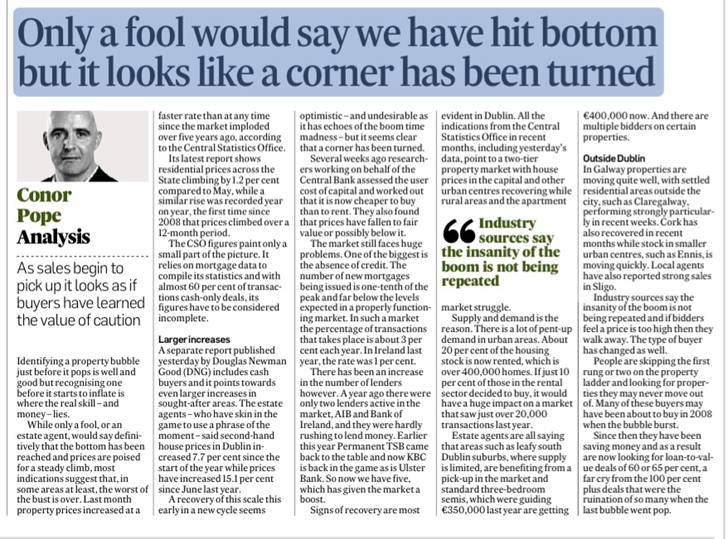 Second-hand house prices in Dublin have increased by 7.7 per cent since the start of the year, according to the latest Douglas Newman Good (DNG) property price gauge.
The estate agency also said prices have increased by 15.1 per cent, or ¤37,500, in the 12 months to the end of June.
The company attributed the price rise to a number of factors including an improvement in c onsumer confidence , the availability of mortgage finance and a limited supply of family homes.
DNG chief executive Keith Lowe said a lack of new construction was also putting upward pressure on prices and 2013 appeared to be a turning point in the market. Two-tier market “What has emerged is clearly a two-tier market with property located in the greater Dublin area far outperforming all other locations,” he said.
“Property prices in the capital are rising by over 1 per cent per month as demand is clearly outstripping supply.
“We also believe that prices in a number of high-population urban areas outside the capital are also beginning to improve somewhat but there are still challenges in some more rural locations,” he said.
The average price of a second-hand home in Dublin is ¤279,000. The south of the city performed best, with an annual increase of 16.2 per cent, followed by the north side, with 16 per cent. The west of the city had a 10.7 per cent increase.
Houses in the lower and middle price brackets (up to ¤350,000) performed best in the last quarter, with a 4.5 per cent increase.
However, houses worth more than ¤500,000 showed the biggest annual increase, 18.2 per cent. Homes worth less than ¤250,000 recorded the lowest annual increase (10.7 per cent). Cash transactions Using data from t he Irish Banking Federation and the property price register, the report also estimates that up to 62 per cent of the 4,774 sales in the first three months of the year were cash transactions. This compares with 47.6 per cent during the same period in 2012.
The register also estimates that the average transaction price of an Irish house was ¤191,320 for the period January to April 2013.
First-time home buyers told to take €5,000 – ‘deal of a lifetime’
THE Government is warning young couples tempted to buy a house to act now — or lose out on a €5,000-a-year “offer of a lifetime”.
In last year’s Budget, Finance Minister Michael Noonan announced a mortgage interest relief deal worth as much as €5,000 a year for first-time buyer couples.
However, the deal finishes at the end of this year, and a mortgage must be drawn down by December 31 for people to avail of the offer.
In an interview with the Irish Independent, junior finance minister Brian Hayes said the deal would not be extended in December’s Budget, and buyers must act before the “train will have left the station”.
“This is an offer of a lifetime, it won’t come again,” said Mr Hayes. “All our futures are based on getting the property market going again. People need to act fast to avail of it.”
There have been calls to extend the scheme as the property market stabilises, but this is being firmly ruled out. The offer made little difference in the first half of the year, with only 2,858 properties sold to first-time buyers — almost the exact same amount as the same period last year.
However, there may be an end-of-year spike, as those who were waiting for prices to drop are forced to move or lose out on the deal. But anyone tempted to buy only has weeks to go through the mortgage process, get approval and buy a house.
First-time buyers will get up to €5,000 a year for six years in mortgage interest relief if they buy this year and Mr Noonan said his scheme was aimed at breaking the “rainy-day” mentality among the under-35s.
Mr Hayes said there was evidence of increased mortgage transactions in recent months, and urged people who may already have mortgage approval to “transact” their mortgages in the coming months to avail of the offer.
“If they don’t get on it now, the train will have left the station and it will be too late to act,” the Dublin South West TD said. “People should be aware that it’s coming to an end, and they should buy if they can.”
Mr Hayes also said the banks had a role to play in ensuring that as many people as possible get their mortgages before the deadline is up.
Mr Noonan’s proposals were designed at breathing some life into the property market, targeting those who were holding off buying a house.
Mortgage interest relief will not be available for anyone who buys a house from next year, and it will be fully abolished by 2018. But for those buying their first property this year, Mr Noonan increased the amount from 15pc to 25pc.
Psychological
The offer applies not just to the purchase of a house, but the “repair, development or improvement of a claimant’s principal private residence”.
“Even when they have a very good family income, I think the psychological effect is to save rather than invest,” Mr Noonan when he unveiled the offer.
“Everybody has a rainy day mentality and I’m trying to break that.”
Replying to Fianna Fail‘s Michael McGrath in the Dail recently, Mr Noonan also said the relief was “not confined to first-time buyers”.
People who already own a property can also avail of a 15pc rate, up from 10pc, until the end of the year.
– Fiach Kelly Political Correspondent
Irish Independent
Stamp Duty
The recent budget change of altering stamp duty to 1% for all residential transactions should have a positive effect on the saleability of re-sale properties in the residential sector. This 1% rate is also applicable to new homes sales which were previously exempt but we do not feel that this will have any particular effect on this sector due to the very high price falls that it has experienced in the last few years.
The new rate of 1% now applies to all transactions whether you are a first time buyer or not or if you are purchasing a new or second hand home.
For properties valued up to €1,000,000, the new flat rate of 1% of the purchase price applies. For properties valued over €1,000,000 the rate of 1% applies to the first €1,000,000 and a rate of 2% applies to the balance.
For Example: A non-first time buyer who was purchasing a second hand property for €1.5million would have paid €106,250 in stamp duty, now with the new reduced rate they would only have to pay €15,000 in stamp duty.
Commercial rates remain unchanged.
Pensions & the Government 4 year plan
Pensions & the Government Four-Year Plan
Private Pensions
The main proposals that impact on private pension provision are:
- All lump sums in excess of €200k will be taxed, probably from Budget Day.
- In 2011 the Earnings Cap will be reduced from €150k to €115K.
- Next year will also see the abolition of PRSI & Health Levy relief linked to pension contributions.
- The Standard Fund Threshold will also be reduced, details in the Budget.
- The rate of relief for personal pension contributions remains the same for 2011 but proposed reductions are:
| Year | Reduction |
| 2012 | 34% |
| 2013 | 27% |
| 2014 | 20% |
- There is no indication that the tax treatment of employer contributions will change.
- There is a very strong hint that the proposed auto enrolment scheme will never happen.
The Government is committed to rising €700m from the pensions sector over the period of the plan and is willing to engage with the industry to examine alternatives to deliver this outcome. This suggests to me that a reduction in the personal relief is not necessarily a done deal.
Turning to pension fund investments, the Government is considering proposals to encourage pension funds to invest in Irish Government Bonds. The NTMA will issue a CPI linked bond next year. The National Pension Reserve Fund will be used to support the Irish Government Bond Market.
Public Sector Pensions
Revised pay and pension arrangements will be introduced for all new entrants. Benefits will be calculated using career average and any pension increases will be linked to CPI. The existing retirement will be raised to link in with the proposed increases in the ages when the state pension becomes payable: 66 in 2014, 67 in 2021 and 68 in 2028. Presumably all private sector schemes will follow suit.
Existing pensions cut as follows:
First €12,000 0%
€12,001 – €24,000 6%
€24,001 – €60,000 9%
above €60,000 12%
Income Tax
The next 4 years will see a reduction of 16.5% in the value of tax credits and tax bands, with 65% of the reductions in 2011. There are other options including a mixture of the above changes to tax rates, PRSI and income levies. Final arrangements in the Budget. On average we will all pay 10% more in 2011.
A number of reliefs will be abolished in 2011 included those linked to trade union subscriptions, rent relief and approved share options schemes. The income tax age credit and age exemptions will be phased out over 4 years.
Social Welfare
Total expenditure will be reduced by €700m and details of rate reductions will be announced in the Budget. We can expect a reduction in the level of state pension payments.
NB Funding rates for Directors pensions are still very attractive.
Residential Property Lettings – Let DNG Flanagan Ford take the stress out of your investment
DNG Flanagan Ford has a dedicated Residential Lettings Division which is headed up by Tess Monaghan. The letting side of their business is proving to be very successful & this is a direct result of the high quality service which is being provided to landlords & tenants. When you choose DNG Flanagan Ford to manage your rental property on your behalf, their job is only beginning when they source a suitable tenant. What you can expect from them includes:
* Excellent customer service
* Experienced letting team
* On call 7 days a week
* 24hr professional maintenance team
* Existing database of quality tenants
* Extensive website coverage
* Prominent window advertising at our city centre office
* Competitive rates
What really sets DNG Flanagan Ford apart from the competition is the aftercare service provided for both landlords & tenants. Tess is always on hand to resolve any issues which may arise from heating & plumbing problems to normal household issues.
Speaking to the Sligo Champion, Tess commented on the current rental market in Sligo. “The rental market, similar to the sales market, has taken a hammering over the past couple of years. Landlords have seen their rental income reduce & in many instances have seen their rental property lie vacant for months on end. In saying this, good houses & apartments are always in demand. When I talk about good properties I mean well presented, clean properties with up to date heating systems, double glazed windows etc. These are all things we take for granted when purchasing a home, but they are very high on the list of requirements for prospective tenants also. I am inundated daily with requests from prospective tenants for all types of properties from 1 bed city centre apartments to 4 bed detached houses within easy commuting distance of Sligo. At the moment, tenants are really shopping around when their leases are coming near the end for a better quality house at an atrractive price. It comes back to the age old scenario that if you have a good product it will rent & will achieve a good rental price. The areas that are proving most popular at present are Strandhill Road & Strandhill village itself. I am keen to talk to anyone with an investment property in these areas, & indeed all areas of Sligo city & suburbs to discuss the service I provide & my competitive rates.”
Some tips for the successful letting of your investment property:
* Choose DNG Flanagan Ford!
* Present your property in a clean, attractive state
* Put yourself in the shoes of the tenant & make sure your property is somewhere you would like to live
* Have a realistic rental figure in mind – too often properties are pitched with a rental price which is excessive & tenants just won’t be interested
* Remember – First Impressions Last
* Remember – Every month your house is vacant you’re losing money
Tess Monaghan is available to talk to landlords at any time & can be reached at 071 9159222, 086 3999062, tess@dngflanaganford.ie, or indeed call to our office at Shell House, Wine Sreet, Sligo